The most exhausting thing in trading is fighting a daily hand-to-hand battle with your own “human nature”
Recently, I was chatting with a few veteran traders, and we all happened to land on a rather poignant topic: when the market goes out of control, how do you get yourself to stop?
Many people mention the same action—braking in time and forcing themselves to close the software and stop looking.
To be honest, being able to firmly control yourself and press the pause button is indeed quite admirable.
It shows that you still have a bottom line in your heart. But when you calm down and think carefully: this approach of relying entirely on personal will to 'slam on the brakes' is actually dangerously risky.
Have you also gotten used to 'slamming on the brakes'?

During trading sessions with a frantic pace and violently out-of-control market conditions, the numbers on the screen cascade down like a waterfall, or surge wildly.
In that second, reason is instantly swallowed by panic. You grit your teeth, frantically close the software, unplug the network cable, or forcibly close all positions.
When everything calms down and you look at the capital you preserved, you may breathe a sigh of relief, and even praise yourself inwardly: 'Thank goodness I reacted quickly and braked in time.'
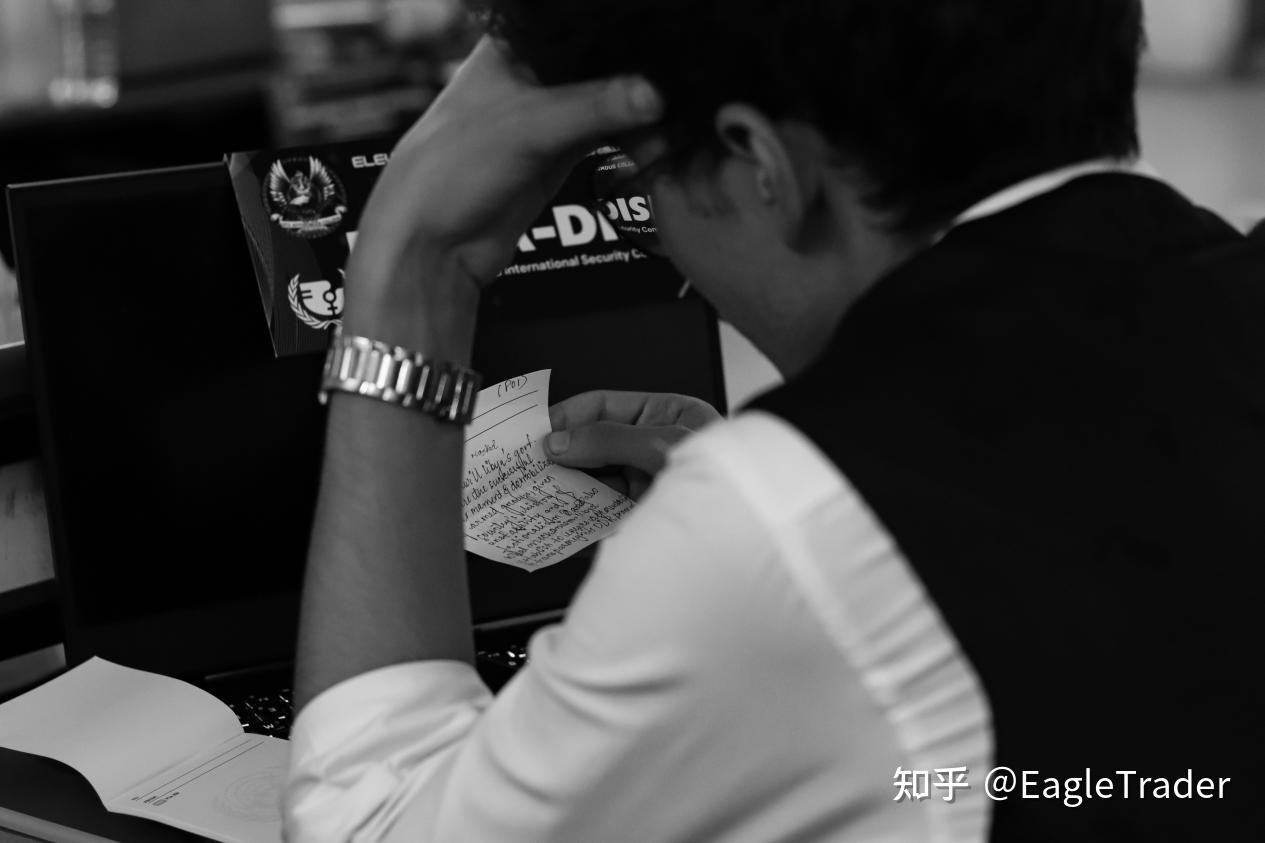
But to be honest, whenever you review in the dead of night, can you really feel at ease?
This kind of 'emergency braking' that relies entirely on personal will is essentially a gamble full of luck.
Today you pressed the pause button thanks to strong willpower, but what about tomorrow? The day after tomorrow? When extreme market conditions strike again, a person's mindset in the face of the ruthless market is actually extremely fragile.
Betting the entire safety margin of your funds on 'whether I can control my hands in time' is no different from walking a tightrope.
A truly mature trading system never pins its hopes on last-minute luck.
What we need are more scientific boundaries—for example, leaving ourselves a larger loss-limit buffer to protect the cumulative profits we have worked hard to accumulate, instead of testing the edge of collapse every day.
Why does trading this way easily lead to exhaustion?
Anyone who has traded understands this vicious cycle: when the market is good, greed drives you to 'hold on a little longer, maybe it can hit a new high'; when the market is bad, fear and luck intertwine, making you pray while stubbornly holding on.
This state of constantly battling your own greed and fear every day is a typical high-pressure self-struggle.
Your energy is entirely consumed by 'restraining human nature'; how do you have any spare attention left to study the market and refine strategies? Trading like this is not only tiring but also cannot go far.
Try another solution: leave emotions to rules, leave energy for the market
Because I have seen through this ineffective internal friction, I recently noticed that many friends around me have quietly switched to a different approach—no longer stubbornly fighting with their personal capital accounts, but turning to the proprietary trading (Prop Trading) model, such as EagleTrader.

Many people initially learn about it out of curiosity, but after deeper exposure, they find that it truly hits several pain points for retail traders:
Take off the mental burden and go straight to the core of profit sharing
In the past, to prove yourself, you had to challenge various cumbersome and demanding assessments, which not only consumed time and energy but also broke your mindset before you even started trading.
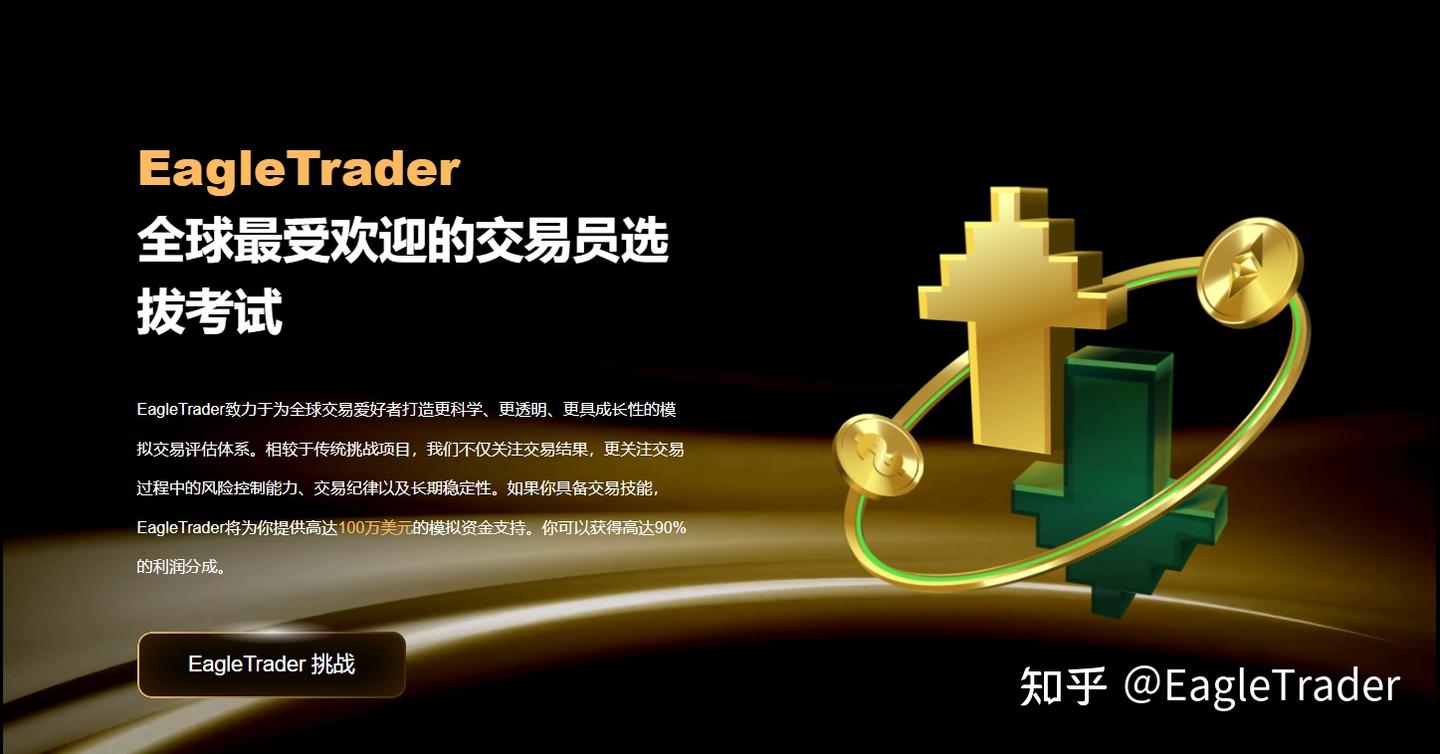
With EagleTrader's Max mode, for example, you can directly enter the profit-sharing stage with a simulated account.
It cuts out all those early assessment stages, and the simulated account approach also means you no longer worry about funding issues.
You can not only devote 100% of your energy to the trading you are truly good at, but also receive a profit-sharing ratio of up to 90%.
This feeling of traveling light has an immediate effect on improving trading psychology.
Let rules 'brake' on behalf of your consciousness
What makes traders most comfortable is the risk-control logic of proprietary trading.
In the past, we always had to rely on that precarious string in our minds to guard against drawdowns, but once we got emotional, we forgot all about it.
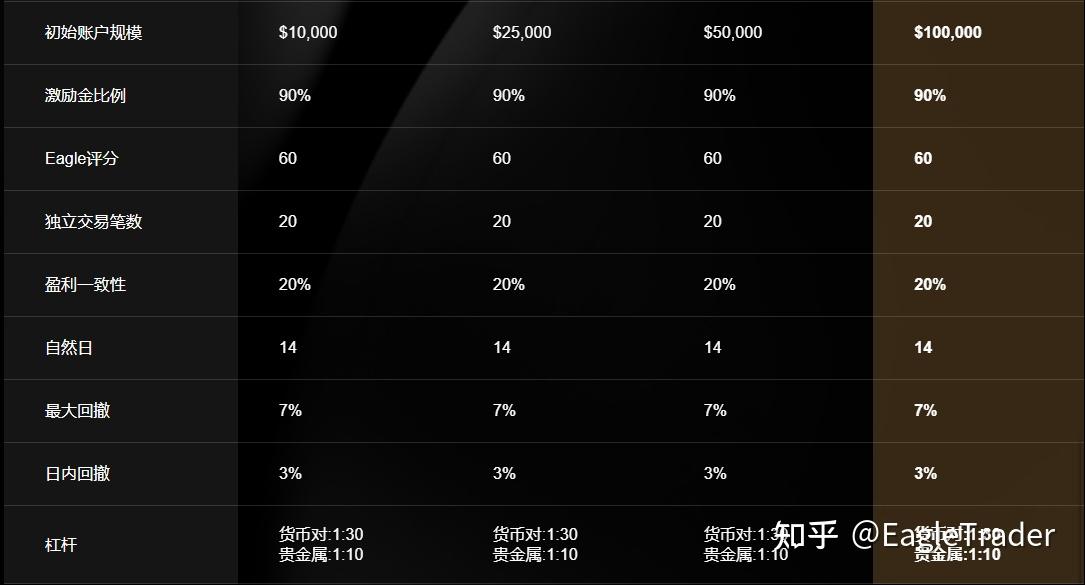
But in the rules of proprietary trading, the built-in drawdown limit is like an objective and calm 'capital guardrail.'
It will firmly hold the bottom line when you need it, always reminding you from the side: don't get carried away; it's time to leave room for drawdown.
This design of replacing human nature with institutional rules instead liberates you from daily psychological internal friction.
You no longer have to nervously struggle with yourself; with a set of rules guarding you, you can survive longer in the market.
Trading is a long-distance race; it has never been about who can earn the most stunningly at a certain moment, but who can steadily survive the storms.
If you have recently felt that it is too tiring to rely on yourself to tough it out every day and to live by last-minute emergency braking, you might want to step out and take a look.
Switch to a proprietary trading approach that does not require constant mental internal friction, and leave a broader path for your account and mindset.
Leave emotions to the market, leave the bottom line to rules, and leave yourself more opportunities for profit sharing.
This article is only for sharing EagleTrader's proprietary trading rules and does not constitute any investment advice.
Trading in financial markets involves risks; please participate cautiously based on your own circumstances.
Ready to take on EagleTrader Max?
No upfront evaluation stage. Trade immediately once funded, with up to 90% profit split.