Have paid 39,800 yuan in tuition, experienced several account blowups, and still managed to get Max profit sharing

Both have received EagleTrader Max profit shares, yet the paths the two traders have taken are completely different.
Trader Li once ran a brick-and-mortar business and has now shifted to full-time day trading, looking for opportunities around market movements every day; Trader Wu has his own full-time job and can only use his spare time to study the market and execute trading plans.
One makes trading a profession, while the other integrates trading into daily life.
Different time commitments, trading habits, and analytical approaches ultimately enabled both of them to achieve actual profit share results on EagleTrader Max.
But before that, both had experienced losses and had paid a price for their own trading habits.
From past trading setbacks to truly receiving Max profit shares today, what exactly have they changed?
In this issue, we talked with the two traders about their respective trading experiences, strategy choices, and genuine feelings after participating in EagleTrader Max.
Trader Li: From a brick-and-mortar business to full-time trading
The 39,800 yuan trading tuition
Trader Li has been involved in trading for more than four years.
When she first entered the spot market through a friend, she barely understood candlestick charts and only knew simple buying and selling.
Because of her early profitable experiences, she once felt that trading was easier than running a brick-and-mortar business.
Even though almost no one around her supported it, she still chose to switch to full-time trading.
To improve her trading ability, she once spent 39,800 yuan to enroll in a professional course, progressing from the beginner class all the way to the advanced analyst class.

However, the theoretical knowledge in the course was not so easy to apply to live trading, and the results were far from expectations.
“Before I studied, I could still make money; after I studied, I instead lost money.” She recalled that during that period she was very confused and even wondered whether she should continue studying.
Later, she also tried coin-margined leveraged trading and experienced losses of tens of thousands or even hundreds of thousands of yuan within a short period.
This made her deeply feel that in trading, not only is making money easy, losing money is also quite easy.
After these setbacks, she gradually adjusted her trading direction.
Compared with trading styles that require holding positions for a long time, she found that her mindset was more suited to intraday short-term trading, so she began to focus on gold trading.
Gold short-term trading and Max profit share
Now, she mainly trades gold on the 15-minute timeframe and usually uses a price movement of 3–5 USD as a take-profit reference.
In market analysis, the reference weights of technicals, market intuition, and fundamentals are 60%, 30%, and 10%, respectively. In terms of execution, she first judges the direction through higher timeframes, then waits for the price to pull back to support and enters in 2–3 orders.
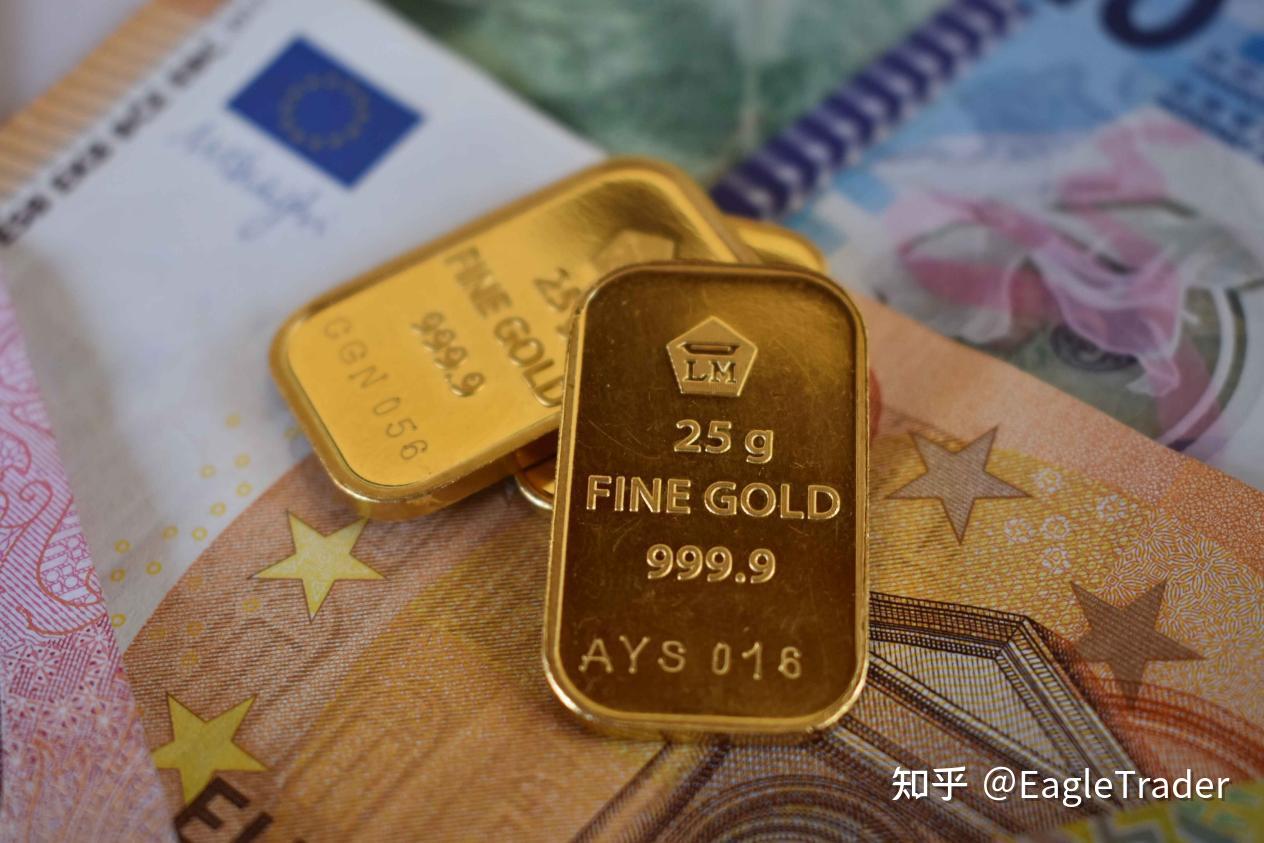
However, finding a trading method that suits you does not mean you can control every single trade.
In the past, she became carried away by frequent trading, and when she lost, she was prone to feeling aggrieved, always thinking about making it back through the next trade, and even held losing positions because of this.
“When it comes to trading, sometimes the more you do, the more it may not be a good thing.”
Now, she sets a maximum stop loss of 1% for each trade. If she reaches her expected return for the day, or several consecutive trades go poorly, she proactively pauses trading to avoid emotions affecting her judgment.
In the process of gradually adjusting her trading habits, she also began trying different trading opportunities.
Trader Li first learned about EagleTrader at an offline event, but because she lacked confidence in passing the traditional evaluation, she never participated. It was not until the Max assessment-free mode was launched that she decided to give it a try.
“The Max mode is quite attractive to me; it’s just that the risk control is a bit stricter.”
After actually participating, she found that compared with trading in a personal account, Max’s clear risk-control requirements made her more cautious in her operations, especially more restrained in the number of position additions.
At present, Trader Li has received two profit share payouts through EagleTrader Max, totaling USD 4,031.
http://weixin.qq.com/r/hBJAWK7EL-NQreo790eW (QR code automatically recognized)
Looking back on her trading experience over the years, she summarized her insights in one sentence:
“Earn money within the rules; don’t mistake short-term luck for your own ability; then you must strictly control risk and execute it strictly.”
Trader Wu: From frequent account blow-ups to building a trading system
If Trader Li gradually learned to control her entries through the loss experiences after changing careers, then Trader Wu’s understanding of trading discipline came from the lessons of repeated account blow-ups during college.

From impulsive trading to rational trial and error
Trader Wu began to get involved in trading during college.
At that time, he had almost no concept of position management, often placed orders based on gut feeling, and even put more than 1,000 yuan out of his monthly living allowance of 1,500 yuan into the market.
During university, he experienced multiple account blowups.
Even when he occasionally gained several times his money in short-term returns, he often failed to stop in time and eventually lost it all back.
It was not until he graduated and started working that the pressures of life and the workplace made him re-examine trading.
“Work tempers a person's mind,” he recalled. In the past, he always thought about seizing opportunities to make money, but as his experience and mindset changed, he realized he could no longer place impulsive orders as he had in university.
So he began to seriously study position management, take-profit and stop-loss, and adjusted his strategy as the gold market changed, gradually shifting from a simple long bias to combining central structure, left-side trading, and other methods to seek opportunities.
Trading strategy and Max profit sharing
Today, trader Wu has formed a clear analysis sequence: fundamentals > technicals > news > capital flows > market feel.
He first judges the fundamental direction of the instrument, then combines it with the technical structure to seek opportunities.
In his view, market feel cannot be the sole basis for placing orders; it must be supported by corresponding technical analysis.
For different instruments such as gold, silver, crude oil, and Nasdaq, he adjusts his position size according to volatility characteristics and actively reduces positions when market uncertainty increases; after making a profit, he uses trailing take-profit or half-position take-profit to balance profit protection with subsequent market opportunities.
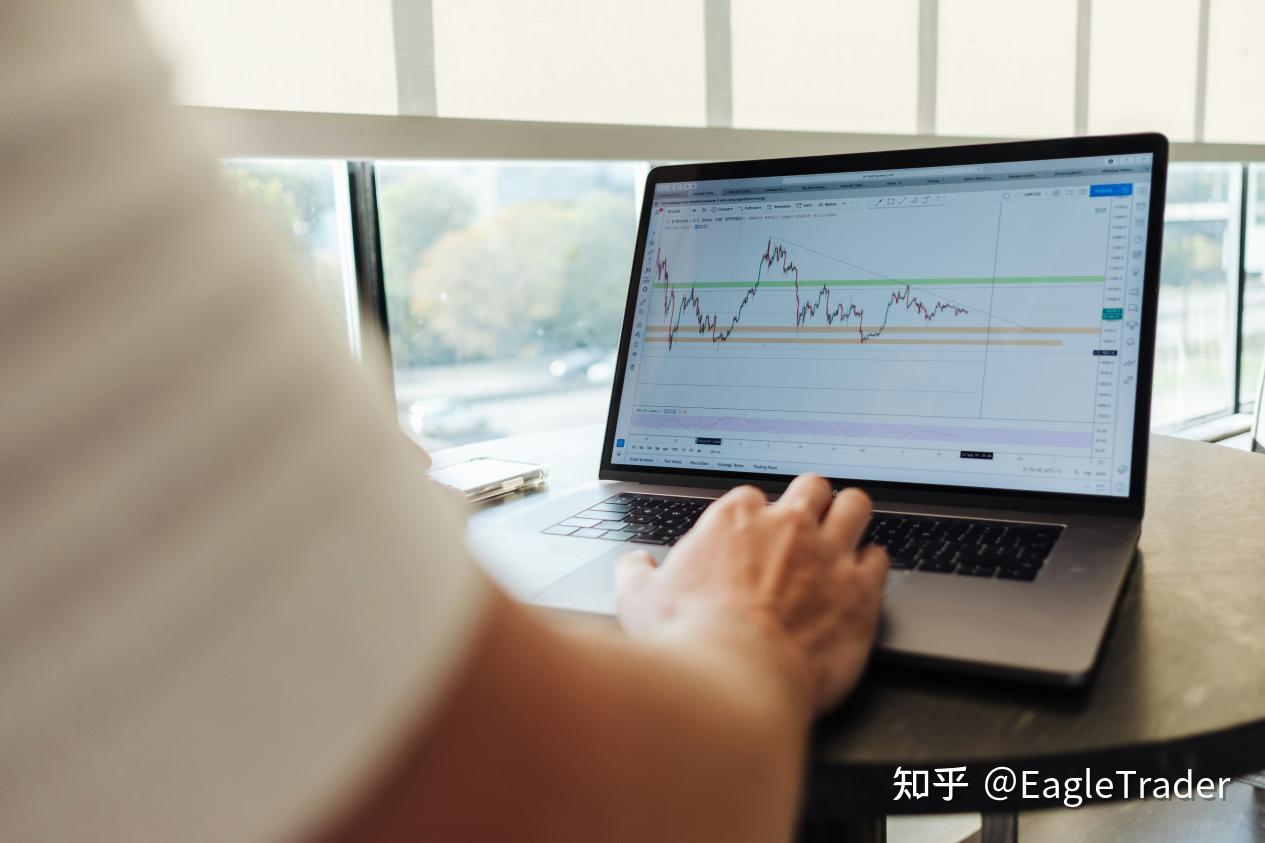
But after experiencing multiple account blowups, he is more aware that, beyond trading methods, emotional control is equally important.
To this end, he set a special discipline: once he violates trading rules, he uninstalls the trading software and forces a three-day cooling-off period for review.
“Execution is quite simple—uninstalling only takes two steps: long-press and uninstall.”
He believes that trading discipline is not just a requirement written on paper; more importantly, it is whether he can truly execute it.
As a part-time trader, he also has to balance work and trading.
Although US session market conditions often occupy his rest time, a stable salary income also means he does not have to rely entirely on trading to make a living.
After joining EagleTrader Max, trader Wu has received his first profit share, amounting to USD 884.
http://weixin.qq.com/r/hBJAWK7EL-NQreo790eW (QR code automatically recognized)
Speaking of his actual experience, he especially approves of the platform's clear risk control requirements.
In his view, the limits of a daily maximum drawdown below 3% and an account maximum drawdown below 7% can prompt traders to focus more on positions and risk rather than blindly pursuing profits.
As for his trading experience over these years, what he most wants to share is: “Emotional stability is the most important thing. Only when your emotions are stable can you control your own funds.”
Different paths, similar trading understanding
Trader Li began to control trading frequency and learned to accept stop-loss; trader Wu, through position management and a forced cooling-off period, restrains impulsive trading.
For them, trading discipline is no longer just a principle to be followed, but concrete actions implemented in every entry, stop-loss, and exit.
Today, trader Li has received profit sharing twice in total, and trader Wu has also completed his first profit share.
For both of them, these are milestone results worth recording, but future trading will still need to face market changes and uncertainty.
There is no unified path to success in trading, nor a strategy applicable to everyone.
Rather than pursuing correctness in every judgment, finding a method that suits you and persistently executing it within an acceptable risk range may be the most worthwhile experience these two traders have to share after repeated trial and error.
Ready to take on EagleTrader Max?
No upfront evaluation stage. Trade immediately once funded, with up to 90% profit split.