从试训到上场:用足球俱乐部讲懂自营交易的全部流程

Recently, we received a direct message in our backend from an overseas trader.
He learned about EagleTrader online, but was not familiar with the concept of proprietary trading and did not know exactly how it differs from traditional live trading.
This also made us realize that although proprietary trading has attracted attention from more and more traders, concepts such as Challenge, drawdown, profit split, and consistency are still somewhat unfamiliar to those who have just encountered this model.
So this time, we do not intend to start with complex rules and terminology.
Instead, if we place proprietary trading in a football club scenario that everyone is familiar with, will it be easier to understand?
From how to join the team, to how to get playing opportunities, and then to what kind of performance is needed to stay on the field for the long term, there are actually many similarities to the operating logic of proprietary trading.
Next, we will start with a player joining a club and take a step-by-step look at how proprietary trading actually works.
To join the team, first prove you can play
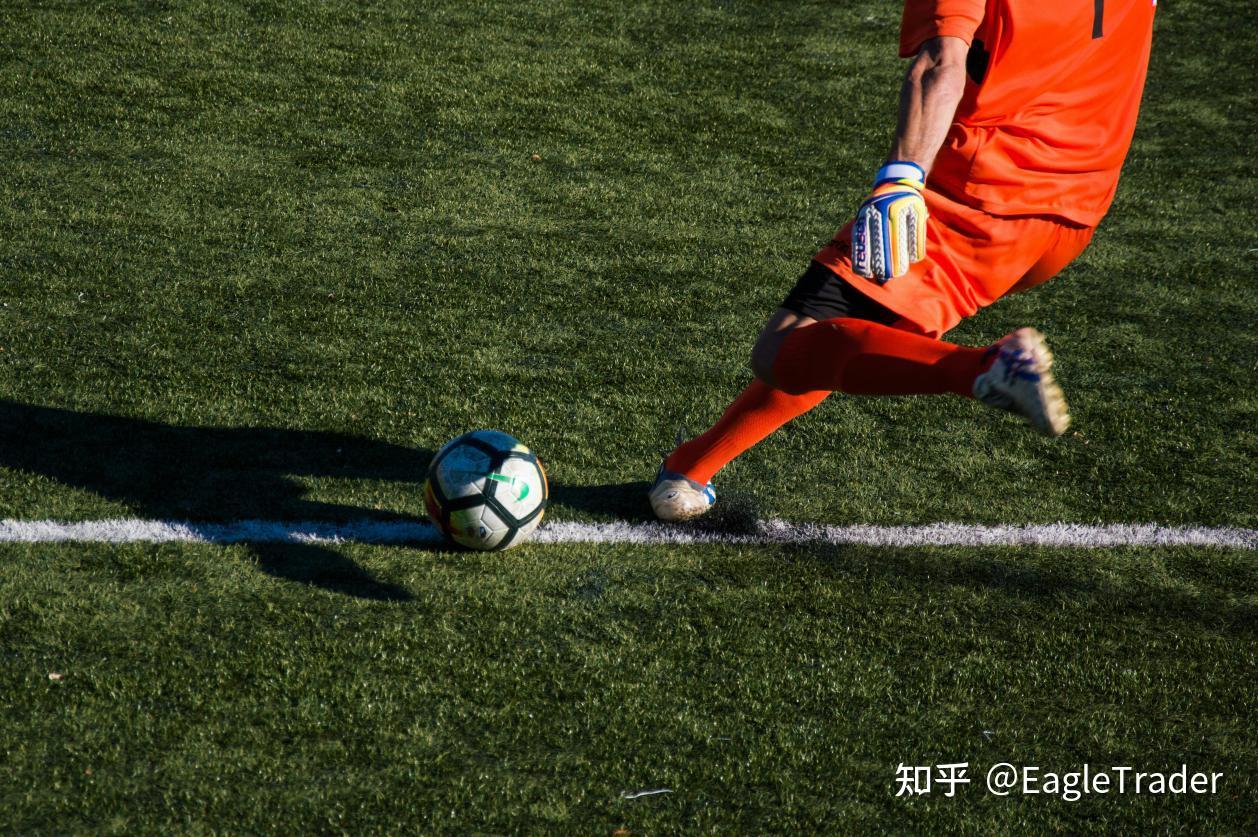
A player who wants to join a professional club usually needs to go through a trial first.
The club will not just listen to him say how well he plays; it will actually look at his ability, form, and performance on the spot.
The Challenge in proprietary trading is somewhat like this trial.
The platform will set profit targets and corresponding risk rules. Traders need to complete the targets according to their own trading methods while not breaching the specified risk boundaries.
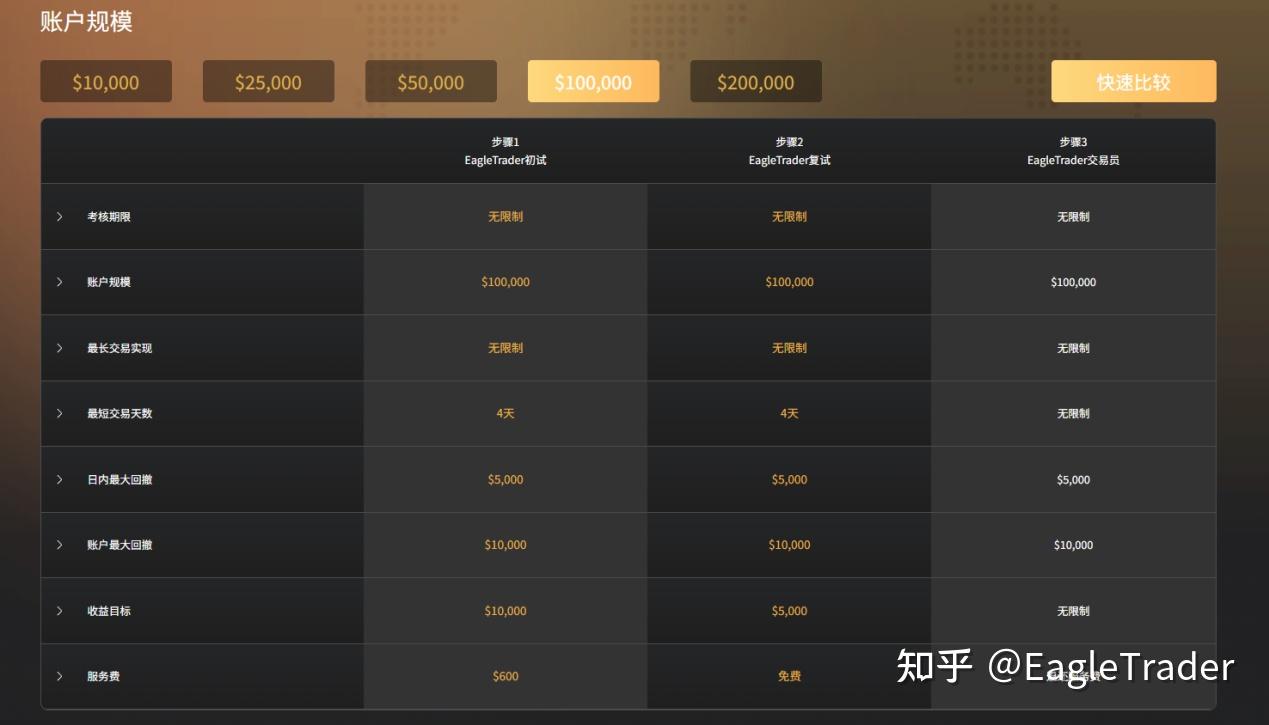
There is a key point here: the Challenge is not simply a contest of who makes money fastest.
Just as in a football trial the coach will not judge a player's performance only by the number of goals scored, a trading Challenge will not look only at final profit.
If a trader keeps increasing position size in order to complete the profit target quickly, once the maximum drawdown or daily drawdown limit is touched, even if some profit has already been made, the Challenge may still be terminated because risk control rules are triggered.
After getting a playing opportunity, discipline still remains
Passing the trial means the player has gained the opportunity to play further.
In the traditional proprietary trading model, after a trader completes the Challenge and meets the relevant conditions, they will also enter the trading account at the next stage.
At this point, the platform's focus also begins to change.
The previous profit target has been completed. Next, what matters more is whether the trader can continue trading while keeping risk within the rules.
This is like a player who, after officially entering the match squad, still needs to follow the team's tactical arrangements and match discipline.
For proprietary trading, risk control requirements such as maximum drawdown and daily drawdown are the discipline red lines in account operation.
Getting a playing opportunity does not mean the rules have disappeared.
One match cannot represent the whole season
In a football match, a brilliant long shot can easily become a highlight moment. The same is true in trading.
A trader may happen to catch a major market move, and one trade may produce very impressive returns. Such a result is of course worthy of recognition.
But if most of the profit in the entire cycle comes from this one trade while other trades fluctuate widely, then looking only at final profit makes it hard to judge whether this way of making profit is sustainable.
This is exactly what Profit Consistency focuses on.
It does not require making the same amount of money every day, nor does it require every trade to be profitable. It is more like a club observing a player's performance over an entire season.
A player can have exceptionally outstanding matches and also times when form is ordinary.
What really matters is whether, over the whole season, he can maintain relatively stable performance.
Only when performance meets the requirements does profit distribution begin
When a player meets the appearance or performance conditions agreed in the contract, the club will settle salary or bonuses according to the agreement.
In proprietary trading, the corresponding concept is Profit Split.
When a trader meets the profit-sharing conditions set by the platform, they can receive the corresponding returns according to the agreed ratio.
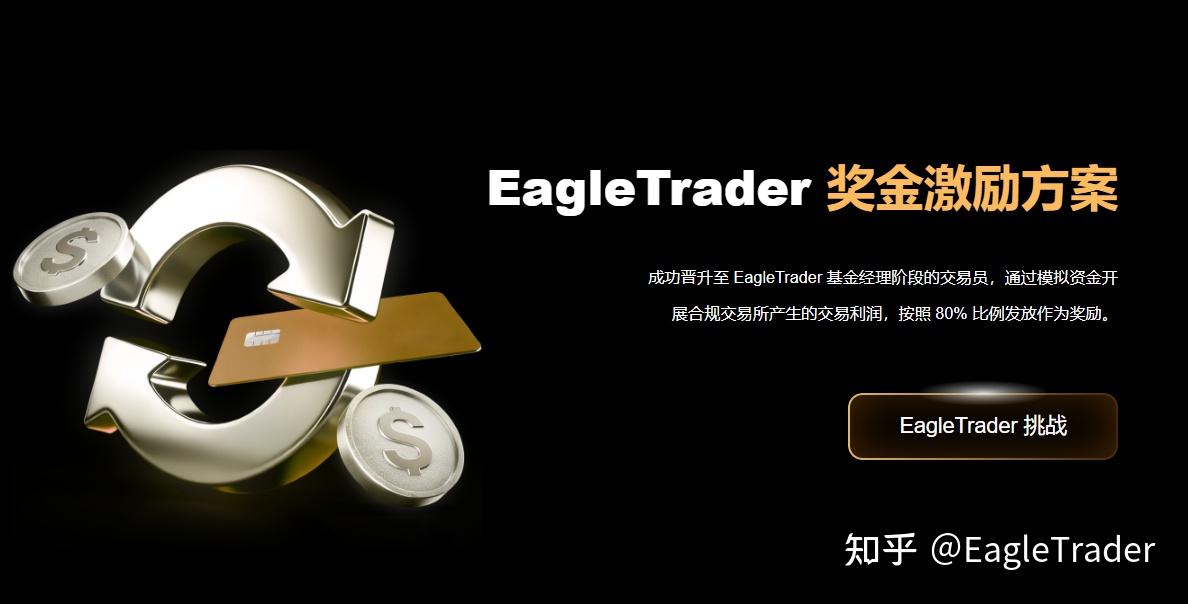
Therefore, proprietary trading is not simply the platform giving an account and the trader going off to make money. It is a cooperation mechanism built on rules and trading performance.
The platform provides the trading environment and account rules, and the trader executes trades according to their own strategy; when the relevant conditions are met, both parties then distribute profits according to the agreement.
What is different about EagleTrader Max?
Recently, EagleTrader launched a new model, the Max mechanism. If the traditional model is like a player going through several rounds of trials before getting an official match opportunity after meeting the requirements, then Max shortens this path: let the player take the field first, and then prove themselves through actual performance in matches.
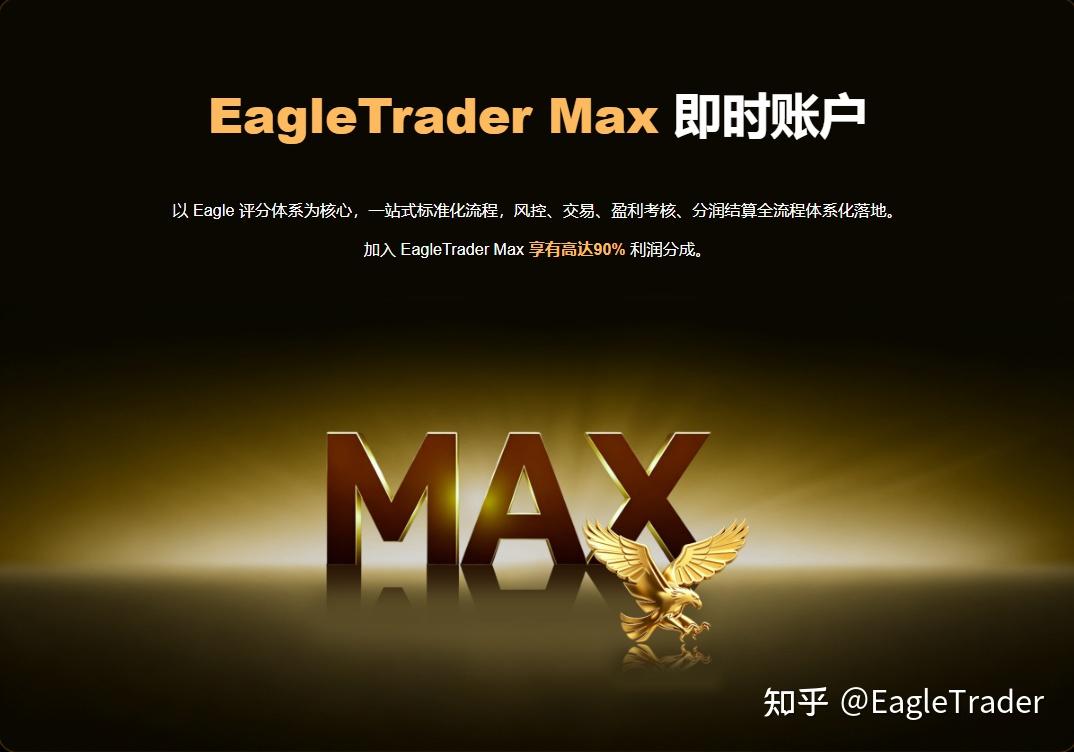
In trading terms, this means there is no need to go through multiple rounds of profit target assessments and one can directly enter the trading profit-sharing stage.
But to receive profit sharing, requirements such as the number of trades, profit consistency, Eagle score, account period, and drawdown control still need to be met.
Therefore, what Max changes is the way traders enter the arena, not the rules of the competition itself.
Looking at proprietary trading mechanisms through the lens of a football club makes many previously unfamiliar rules intuitive.
Simply put, a proprietary trading platform and a trader have a cooperative relationship, and how far a trader can ultimately go depends on risk control, stable performance, and consistent execution.
Just as players need to continuously improve through training and matches, traders also need to accumulate experience and refine their methods through repeated trades, so as to compete for more opportunities and prove themselves in a bigger arena.
Ready to take on EagleTrader Max?
No upfront evaluation stage. Trade immediately once funded, with up to 90% profit split.