EagleTrader Insights | Is Trading Suitable as a Side Hustle? How Should Office Worker Beginners Start Trading

For most office workers, working hard seems to be increasingly unable to cover rising living expenses.
Rent, mortgage payments, daily consumption, and family expenses make it hard for many people to have enough financial buffer by relying on a single salary alone.
As a result, finding a side hustle has gradually become a way for many employees to increase their income and explore more possibilities.
Some choose to do self-media, some take orders after work, and others start paying attention to trading.
Especially after coming into contact with markets such as stocks, gold, and currency pairs, many people have an idea: if I can use time after work to learn trading and build my own trading method, can I also treat trading as a side hustle?
The answer is yes, but the premise is that you must correctly understand what a 'trading side hustle' is.
Is trading suitable as a side hustle?
From the perspective of time arrangement, trading does have the conditions to become a side hustle.
Many traditional side hustles require fixed time investment, such as delivering food, taking design orders, or running an online store; how much time you put in often determines how much income you can earn.
Trading is not entirely the same.
It places more emphasis on strategy, discipline, and risk management, and does not mean you must spend several hours every day watching the market.
For office workers with fixed jobs, they can use time after work to analyze the market, make trading plans, and then execute according to pre-set rules.
But there is a very important premise here:
Do not understand trading as 'taking another job after work'.
If you still secretly check the market while at work every day, and continue to stare at the screen for a long time after work, trading will not only fail to become a side hustle; it may instead affect your main job and normal life.
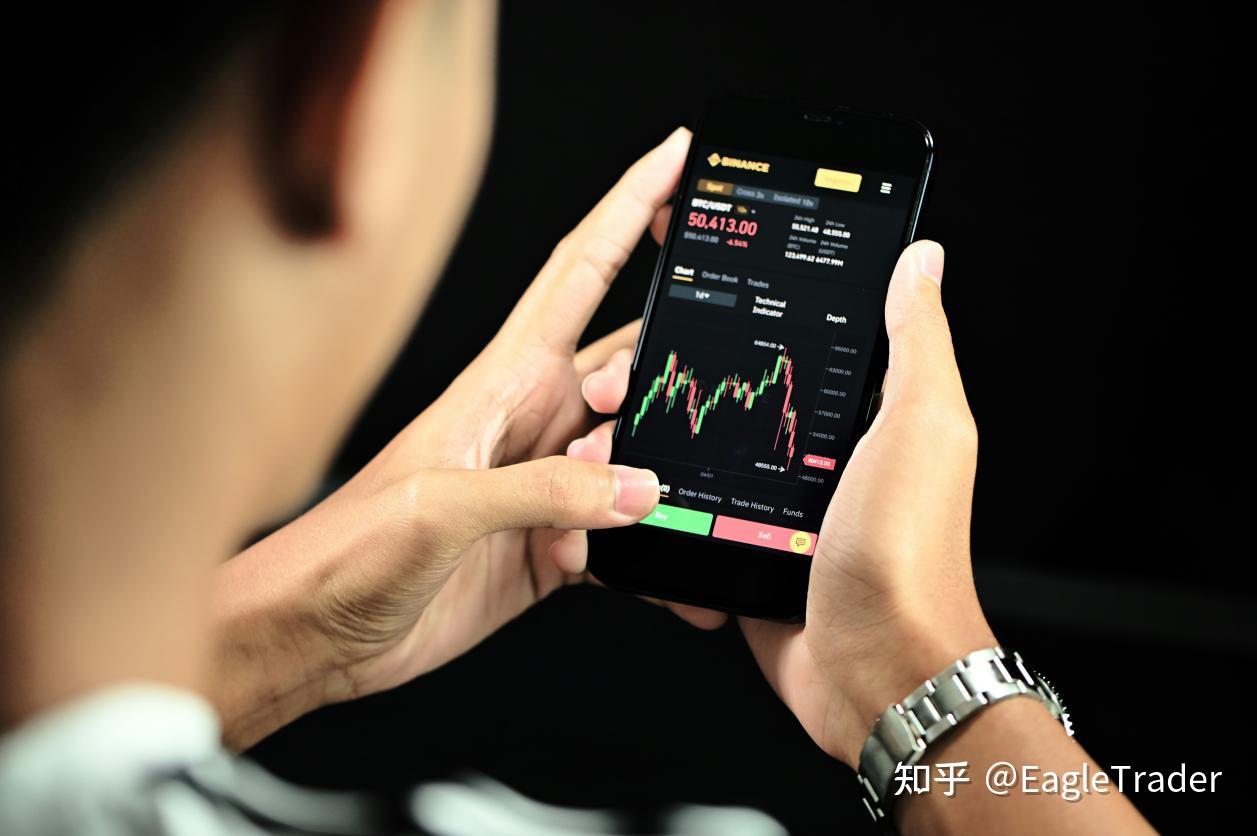
A more reasonable approach is to let trading adapt to your own pace of life.
For example, analyze the market before or after work and set a trading plan in advance;
Strictly execute stop-loss, take-profit, and position management during trading;
Then review your trading records comprehensively on weekends.
The purpose of doing this is not to pursue profit every day, but to gradually build a trading system that you can execute over the long term.
Moreover, for people who are just starting to engage with trading, there is another advantage—your main job itself is your source of cash flow.
You do not need to rely on trading to immediately pay rent and living expenses, so you do not have to frequently change your trading strategy because of short-term profit or loss.
Therefore, trading can become a side hustle, but it is more suitable to regard it as an ability that requires long-term learning and verification, rather than a shortcut to quickly increase income.
When first exposed to trading, the first step is not to rush to make money
When many beginners first come into contact with trading, their first reaction is to study 'how to make money'.
Which strategy has the highest return? Which instrument has the largest volatility? Can I make hundreds or even thousands a day?
But after truly starting to trade, many people discover that the hardest part of trading is not finding a profit opportunity, but still being able to execute according to your own rules after consecutive profits or consecutive losses.
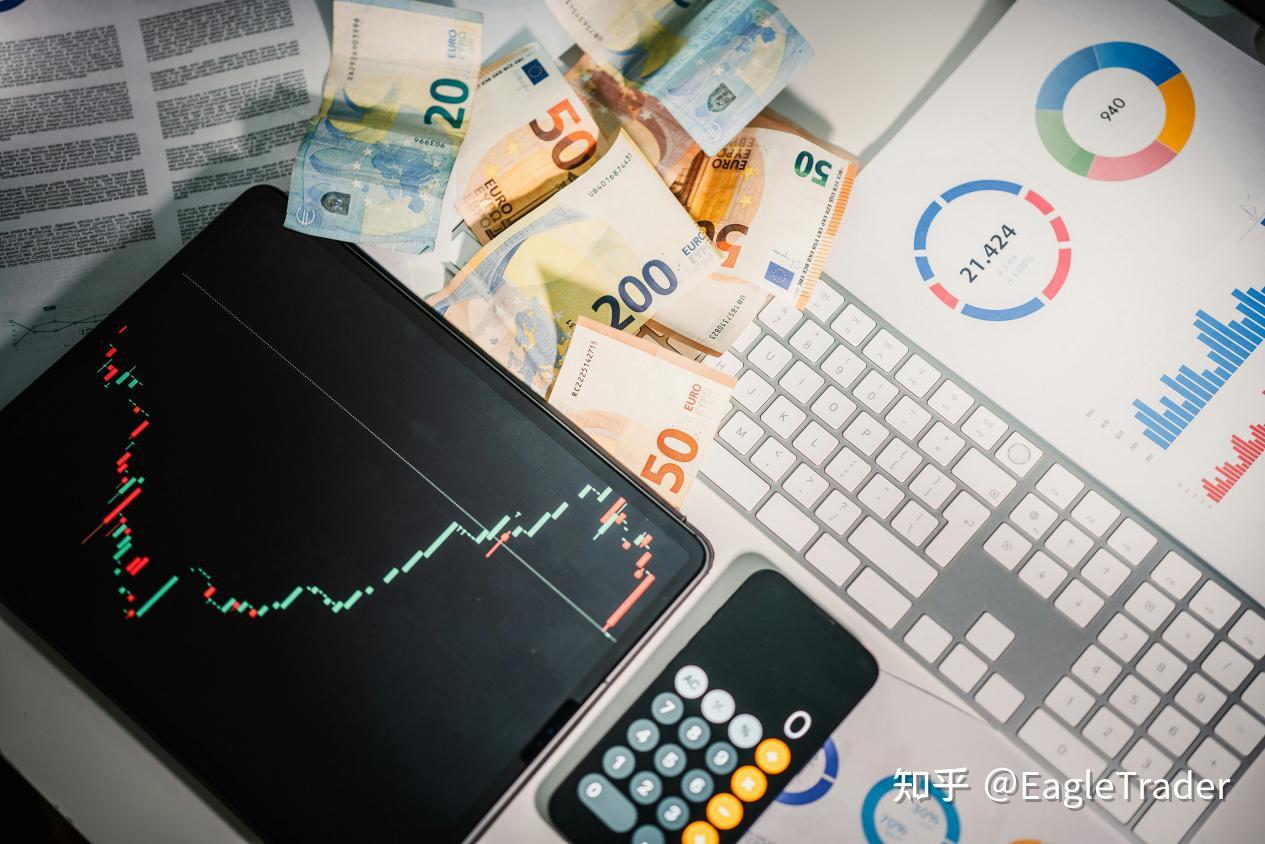
Therefore, when first starting to engage with trading, it is best not to directly set the goal as 'how much money to make'.
You can start from three aspects.
First, understand the basic rules of the market.
At least know what trading instruments are, why prices fluctuate, what leverage and margin mean, and basic concepts such as stop-loss, position size, and maximum drawdown.
Second, build your own trading plan.
Do not chase rises just because the market is rising, or chase declines just because it is falling. Before trading, you should clarify under what circumstances to enter, under what circumstances to exit, and how much loss you can bear at most in a single trade.
Third, get to know yourself through trading records.
Record the reason, result, and emotions of every trade. After persisting for a period of time, you will find that your real problem may not be 'not knowing how to analyze the market', but frequent trading, adding to positions after losses, lack of stop-loss, or inability to stick to your own rules.
This is also why many people believe that what trading really needs to cultivate is not the ability to 'predict the market', but the ability to steadily execute a trading plan.
Without live trading experience, how can beginners start?
If beginners enter the real market with their own funds from the beginning, they need to face two pressures at the same time: learning trading while bearing real capital losses.
When an account shows a loss, it is easy to change from 'learning trading' to 'finding a way to earn back the loss'. Once this mentality arises, the original trading plan is easily disrupted by emotions.
Therefore, for complete beginners with no trading experience, rather than bearing relatively high capital risk from the beginning, it is better to first look for a lower-cost way to experience trading.
This is also one of the reasons why the proprietary trading model has attracted attention from some traders in recent years.
Simply put, proprietary trading usually uses a simulated capital environment to let traders operate according to clear trading rules.
Traders do not need to put up a large principal from the start to bear market fluctuations; instead, they verify their strategies, risk control, and execution capabilities through the trading process.
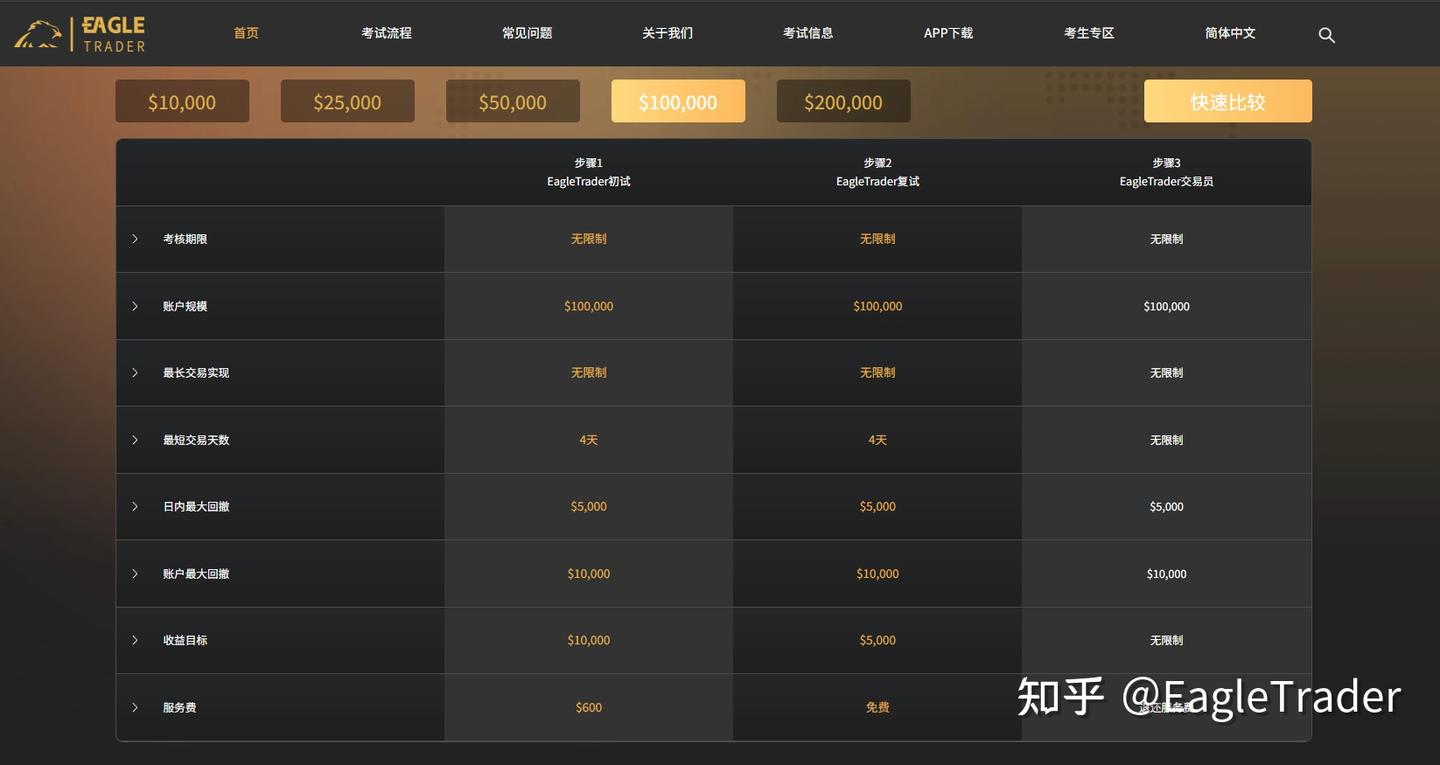
For beginners, the greatest significance of this approach is not “making money with zero risk,” but rather: first get yourself into the trading environment, and then judge whether trading is actually suitable for you.
Proprietary trading may be a way for beginners to get to know trading
If you really want to treat trading as a side business, you can first adjust your goal for the first stage from “how much money to make” to:
Can I build a stable, executable trading method?
Take a proprietary trading platform such as EagleTrader as an example: traders can participate in assessments through a simulated trading environment, conduct strategy trading in an environment that replicates real market conditions, and manage their accounts according to the risk rules set by the platform.
Compared with directly investing a relatively large amount of capital in the live market, this approach puts relatively lower upfront capital pressure on people who are new to trading.
More importantly, it does not simply let you “play around in simulation.”
When traders meet the corresponding trading requirements, they can also receive the corresponding profit share according to the platform rules; for example, EagleTrader can pay out up to 90% of profits.
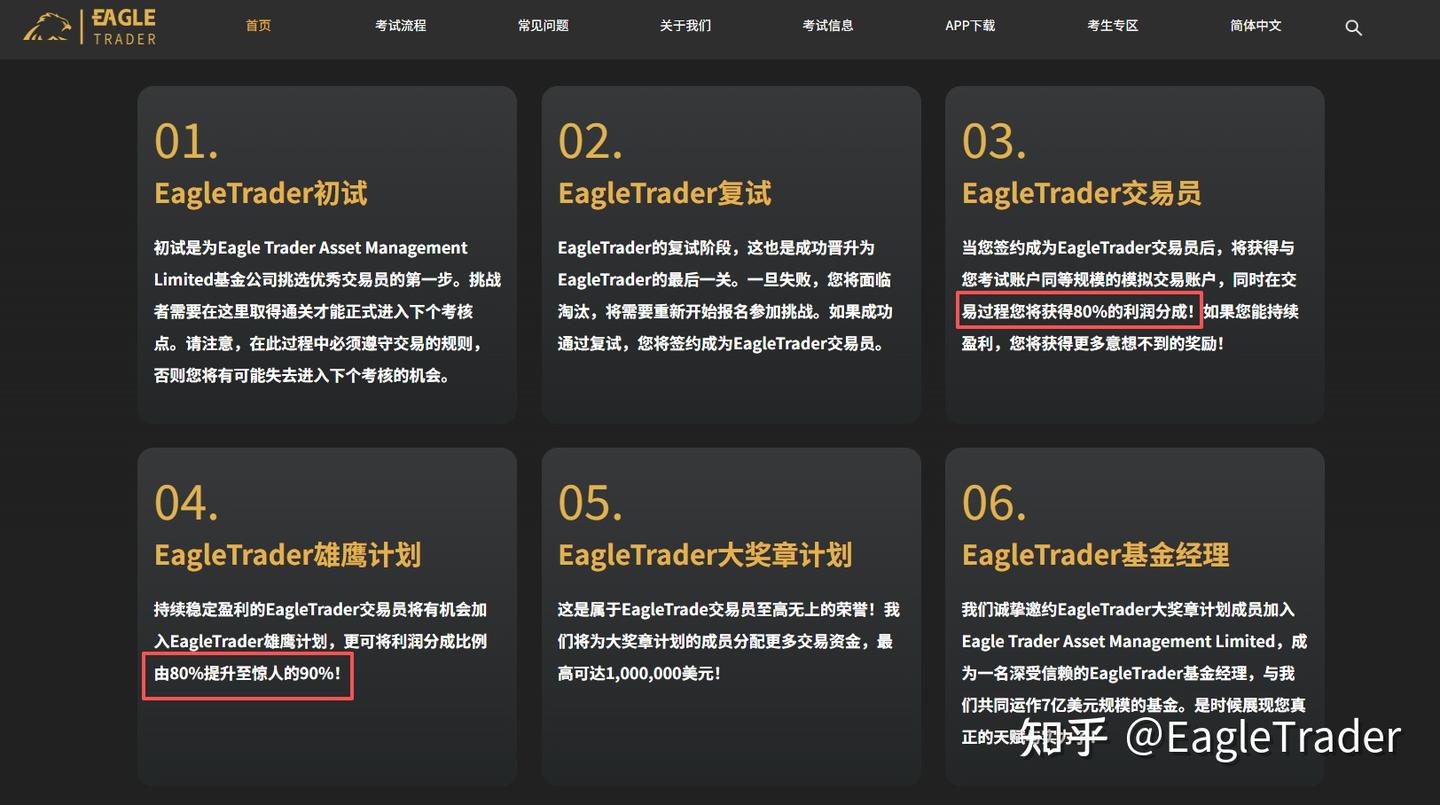
In other words, simulated trading can not only become a way for beginners to become familiar with the market and verify strategies, but also provides a path from learning trading → verifying ability → obtaining profit sharing.
Of course, this does not mean that participating in proprietary trading will definitely be profitable.
The market itself is uncertain, and no trading model can guarantee returns.
For beginners, what is truly worth paying attention to is whether the platform’s rules are transparent, whether the risk limits are clear, and whether they can maintain stable execution during the trading process.
For office workers, the biggest appeal of trading may not be how much money it can help you make in a short time, but that it offers a possibility different from traditional side businesses.
But this possibility needs to be built on learning, strategy, and risk control.
If you are just starting to get involved in trading, rather than immediately thinking about changing your income through trading, it is better to first give yourself a low-cost trial-and-error stage.
Ready to take on EagleTrader Max?
No upfront evaluation stage. Trade immediately once funded, with up to 90% profit split.